The food industry is undergoing a technological revolution, and Foodtech is at the forefront of this transformation. In the United States, Foodtech is shaping how we produce and consume food and presenting unique opportunities for international tech companies to expand their presence in this burgeoning market.
Current Landscape of Foodtech in the US
Foodtech in the US has undergone a significant transformation in recent years. The industry is characterized by rapid innovation, focusing on sustainability and efficiency. This change has been brought about by new startups and established companies seeking to address some of the most pressing issues in the food industry.
One of the most significant advancements in the industry has been the emergence of plant-based alternatives. Beyond Meat and Impossible Foods are among the companies that are leading the way in this regard. Their innovative products have transformed the food industry by providing a sustainable and ethical alternative to traditional meat products.
In addition to plant-based alternatives, food delivery has also seen a significant transformation. Startups such as Sweetgreen and DoorDash have revolutionized how people experience food delivery. They have made it more convenient and accessible, creating a seamless consumer experience.
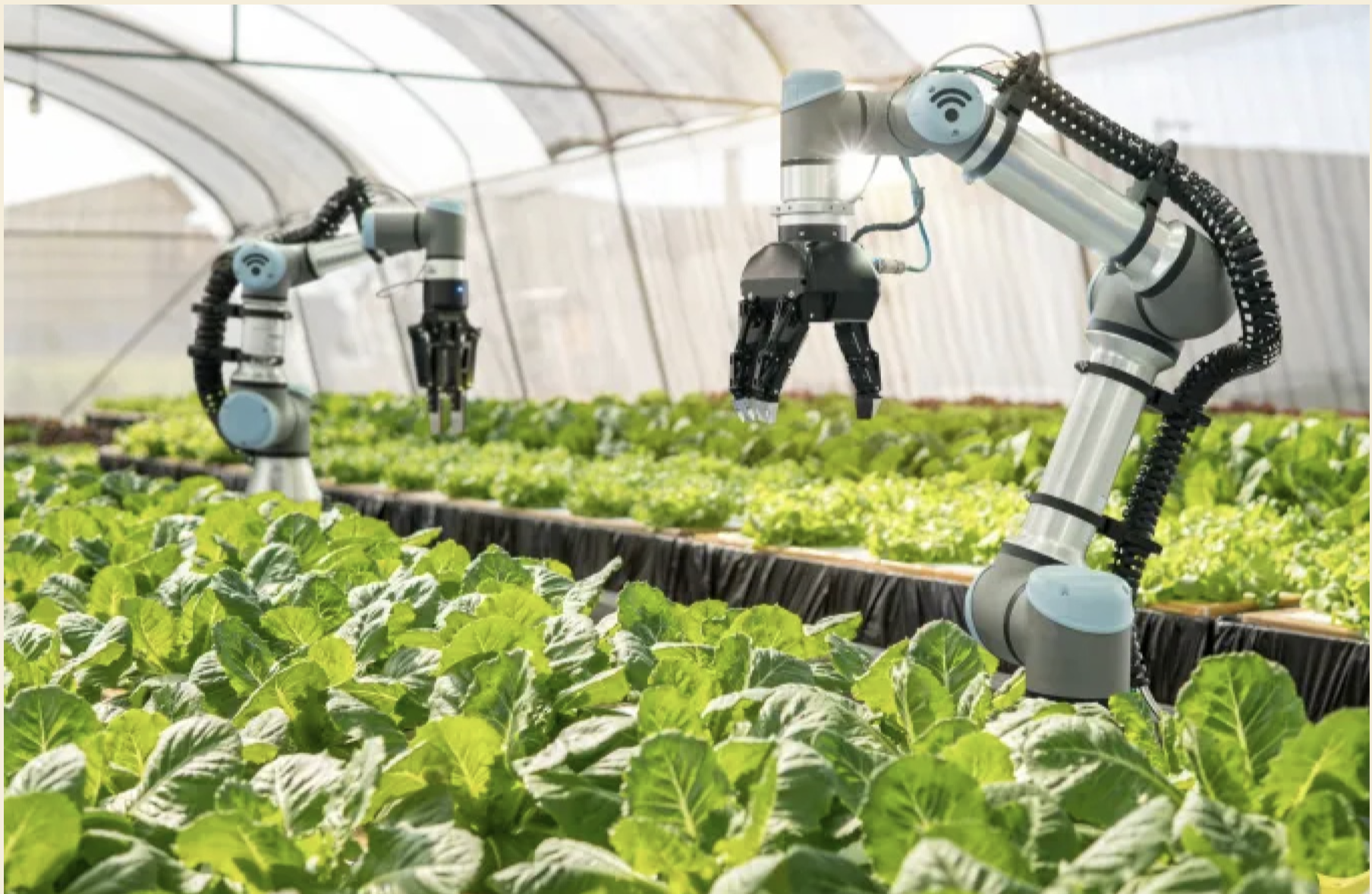
Advancements in precision agriculture, vertical farming, and food waste reduction technologies have also driven the industry forward. These technologies have enabled farmers and food producers to reduce waste and increase efficiency, resulting in more sustainable and cost-effective food production.
Overall, the current landscape of Foodtech in the US is characterized by a rapid pace of innovation that focuses on sustainability and efficiency. A wave of new startups drives the industry and established companies seeking to transform how we produce, distribute, and consume food.
Trends and Developments
The food industry is constantly evolving, and Foodtech is no exception. Emerging trends and developments are shaping the industry and transforming how we produce, distribute, and consume food.
Personalized nutrition is one of the most significant emerging trends in Foodtech. As consumers become more health-conscious, they seek customized nutrition plans tailored to their specific needs. Companies are responding to this demand by offering customized nutrition services using data analytics and machine learning to create custom meal plans for individual consumers.
Another trend in Foodtech is the rise of smart kitchen appliances. These appliances are connected to the internet and can be controlled remotely using smartphones and other devices. They can help consumers prepare meals more efficiently, reduce food waste, and create a more sustainable kitchen environment.
AI and automation are also being integrated into food production and distribution. These technologies improve efficiency, reduce waste, and create more sustainable food systems. For example, AI-powered robots are used in food processing plants to improve speed and accuracy, while automated food delivery services are becoming more popular in urban areas.
Overall, emerging trends and developments in Foodtech are reshaping consumer experiences and driving demand for more sustainable and convenient food options. The industry is poised for continued growth and innovation as companies invest in new technologies and services.
Challenges and Opportunities
The US Foodtech market is a promising landscape with substantial opportunities for growth, yet it has its own set of challenges. These challenges encompass regulatory hurdles, consumer acceptance of new technologies, and the pressing need for sustainable practices throughout the supply chain. Despite these obstacles, the potential for innovation and market expansion far outweighs these challenges.
The regulatory landscape in the US Foodtech market poses a significant challenge for companies looking to enter and thrive in this space. Navigating the complex web of food safety standards, labeling requirements, and import regulations demands a thorough understanding and compliance with the stringent regulatory framework. Companies must invest in comprehensive regulatory research and establish robust processes to ensure adherence to these standards.
Introducing new technologies into the food industry can be met with varying consumer acceptance. Convincing consumers to embrace novel food technologies requires effective communication, transparency, and education about the benefits and safety of these innovations. Building consumer trust through clear messaging and demonstrating value is crucial for successfully adopting new food technologies.
The demand for sustainable practices throughout the food supply chain presents a notable challenge in the US Foodtech market. From sourcing ingredients to packaging and distribution, integrating sustainable practices is imperative for meeting consumer expectations and addressing environmental concerns. This necessitates investment in eco-friendly packaging, energy-efficient processes, and the establishment of sustainable sourcing partnerships.
International Tech Companies’ Entry into the US Foodtech Market
The attraction of international tech companies to the US Foodtech market as a prime opportunity for expansion is underpinned by the country’s solid consumer base and a pervasive culture of innovation. The US presents an ideal environment for international tech companies to introduce their products and services, offering a fertile ground for growth and market penetration. However, successful entry into this market demands a multifaceted approach that includes a deep understanding of local preferences, regulatory frameworks, and strategic partnerships with established industry players.
One of the critical factors for international tech companies seeking entry into the US Foodtech market is a comprehensive understanding of local preferences. This encompasses consumer taste preferences and cultural nuances, dietary habits, and regional variations in food consumption patterns. Tailoring products and services to align with these preferences is essential for gaining traction and building a loyal customer base.
Navigating the complex regulatory frameworks governing the US Foodtech market is imperative for international tech companies. Compliance with stringent food safety standards, labeling requirements, and import regulations is non-negotiable for seamless entry and sustained growth in this competitive market. This entails thorough due diligence and proactive engagement with regulatory authorities to ensure adherence to all relevant regulations.
Establishing strategic partnerships with established players in the US Foodtech industry is instrumental for international tech companies aiming to make a mark in this market. Collaborating with local food producers, distributors, retailers, and industry associations can provide invaluable insights, access to distribution networks, and credibility within the market. These partnerships can facilitate smoother market entry and enhance the company’s positioning within the competitive landscape.
By addressing these considerations with precision and foresight, international tech companies can position themselves strategically to leverage the immense potential of the US Foodtech market and establish a robust presence in this dynamic industry.
Case Studies
The successful expansion of companies such as Eat Just, a plant-based food company from Singapore, and Oatly, a Swedish oat milk producer, into the US Foodtech market is a compelling source of valuable insights for international companies aiming to thrive in this industry. These case studies shed light on how global companies can effectively adapt to local preferences and create a meaningful impact in the US Foodtech market.
Eat Just‘s journey into the US Foodtech market exemplifies the strategic adaptation to local consumer tastes and preferences. By understanding the American consumer’s inclination towards plant-based alternatives and ethical sourcing, Eat Just capitalized on the growing demand for sustainable and innovative food products. Eat Just successfully carved out a niche in the competitive US market through targeted marketing campaigns, partnerships with local retailers, and engagement with sustainability-focused organizations.
Oatly’s entry into the US Foodtech market provides insights into building brand recognition and trust among American consumers. Leveraging its Swedish heritage and commitment to sustainable practices, Oatly effectively communicated its brand story and value proposition to resonate with US consumers. The company invested in extensive market research, collaborated with local baristas and cafes, and engaged in educational initiatives to familiarize American consumers with oat milk, ultimately establishing a loyal customer base and gaining traction in the competitive dairy alternative sector.
The experiences of Eat Just and Oatly underscore the critical importance of local adaptation and strategic engagement for international foodtech companies entering the US market. Understanding and aligning with local consumer preferences, investing in targeted marketing efforts, building meaningful partnerships with local stakeholders, and emphasizing sustainability and transparency are pivotal strategies for successful market entry and sustained growth.
By drawing insights from these case studies, international foodtech companies can glean valuable lessons on effectively navigating the intricacies of the US Foodtech market and positioning themselves for success through thoughtful adaptation and strategic engagement with local stakeholders.
Future Outlook
The future of Foodtech in the US presents a promising landscape characterized by an evolving focus on sustainable practices, personalized nutrition, and innovative food experiences. International tech companies that strategically position themselves to capitalize on these trends will find ample opportunities for growth and success in this dynamic market.
The growing consumer consciousness around sustainability and ethical sourcing is expected to significantly influence the Foodtech industry in the US. International tech companies prioritizing eco-friendly packaging, sustainable sourcing, and transparent supply chain practices will be well-positioned to meet the increasing demand for ethically and environmentally responsible food products.
The future of Foodtech in the US will witness a surge in personalized nutrition and health-focused innovations. International tech companies that leverage advanced technologies such as AI-driven meal planning, personalized dietary recommendations, and functional food innovations tailored to individual health needs will cater to the rising consumer interest in customized nutrition and wellness solutions.
The US Foodtech market is poised for an era of innovative food experiences and culinary exploration. International tech companies that introduce novel food technologies, immersive dining experiences, and creative culinary collaborations will captivate consumers seeking unique and memorable gastronomic adventures. By embracing culinary creativity and technological innovation, companies can tap into the evolving preferences of adventurous American consumers.
The future of Foodtech in the US holds tremendous potential for international tech companies that strategically align themselves with the prevailing trends of sustainability, personalized nutrition, and innovative food experiences. By embracing these trends and innovating to meet evolving consumer demands, international companies can navigate the dynamic landscape of the US Foodtech market and carve out a path for sustained growth and success.
xpansionIQ: Accelerating International Tech Companies in the US Foodtech Market
For international tech companies seeking to expand into the US Foodtech market, xpansionIQ offers a premiere accelerator program to provide strategic guidance, market insights, and networking opportunities. With a track record of assisting tech companies in navigating the complexities of the US business landscape, xpansionIQ is committed to fostering successful expansions and driving innovation in the Foodtech industry.
As the US Foodtech market continues to evolve, international tech companies have the chance to make a significant impact by leveraging their expertise and innovative solutions. With the right approach and support from established accelerators like xpansionIQ, these companies can contribute to shaping the future of Foodtech in the United States.
In conclusion
The future of Foodtech in the US holds immense potential for growth and innovation, and international tech companies are poised to play a vital role in this transformation. With strategic planning, a deep understanding of local preferences, and establishing the right partnerships, these companies can enter and thrive in this dynamic and evolving market. By embracing sustainability, personalized nutrition, and culinary creativity, international tech companies can position themselves to capitalize on the shifting landscape of the US Foodtech market, fostering a future characterized by groundbreaking advancements and fulfilling consumer experiences.