










The UK’s largest electricity supplier, serving over 7 million households made the call as prices soar – with one customer saying ‘it should be illegal’
The Iran war has made massively popular energy firm Octopus impose new fees – going up twice in one week – sparking fury from customers. Octopus Energy is the UK’s largest electricity supplier, serving over 7 million households and this week it has unveiled changes which users described as ‘shameful’ and which ‘should be illegal’.
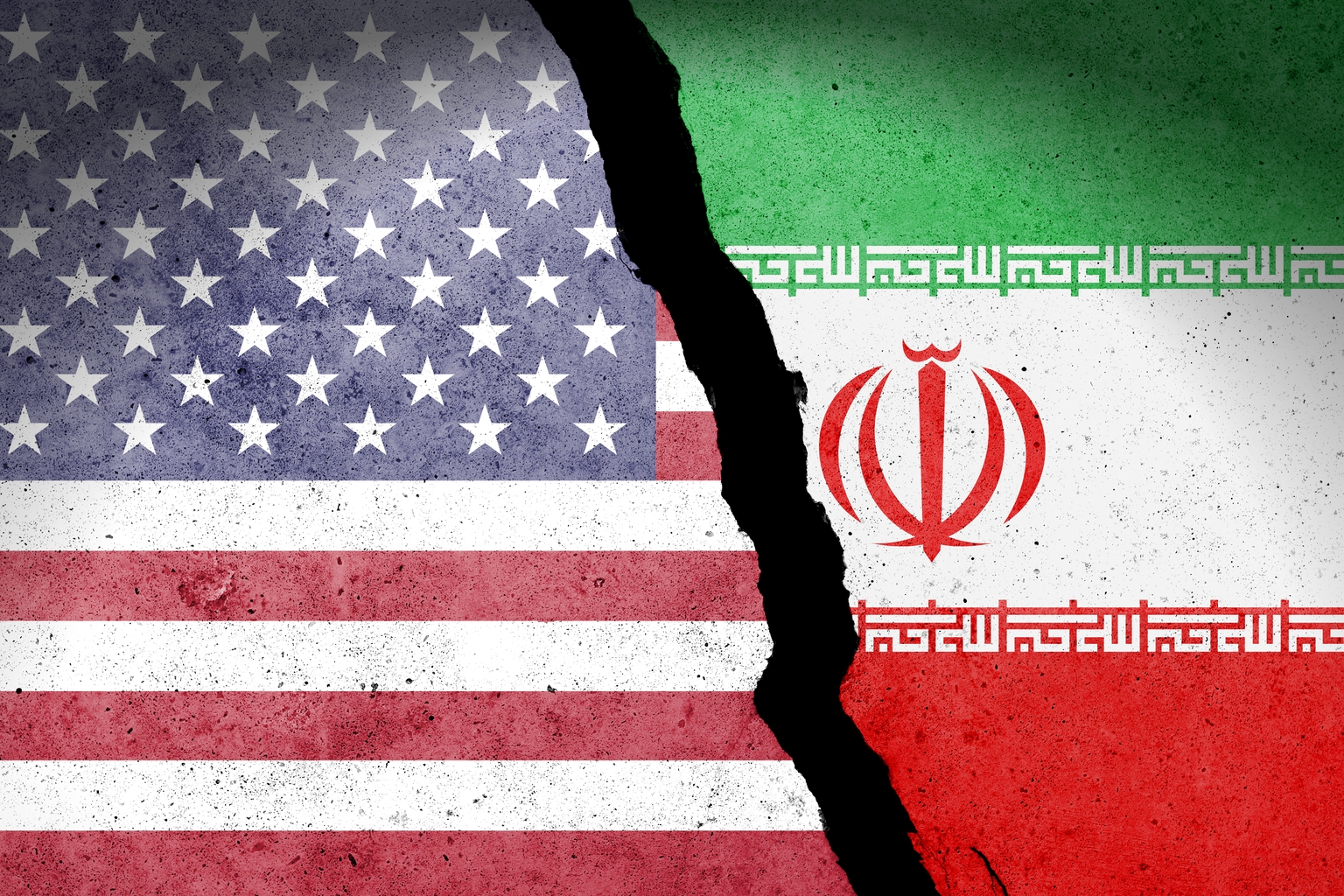
The Iran war has sent oil and gas prices soaring – and the company said the change to introduce new ‘exit fees’ for people on fixed contracts. The charges have gone from zero to £50 and then £75 in the last week, and apply to new customers.
One user said on X: “Incredibly poor customer service from @OctopusEnergy to put the exit fees up from £0 to £50, then to £75 all in one week for customers looking to switch tariffs. Shameful.”
DarkAngel added: “Should be illegal. Why changed the rates too compared to last year.” MSH asked: “So will your prices come down when this gulf war ends, you were very quick to raise the price of gas by 50% the day after it started, smacked of profiteering to me, not the company you once were Octopus Energy @OctopusEnergy”
Clive asked: “Will the exit fees be removed as soon as the energy makers settles down. What’s your threshold for this ?” Minty said: “Another company on the list that is sucking every penny from us, I bet you post massive profits.”
DevonDad added: “If you have to sell the energy because customers leave early and you make a profit on it can we have ant money back? Thought not. When my contract ends you’ll lose my custom.”
In reply to teh storm of protest Octopus said: “Tariff rates change all the time with wholesale fluctuations – the volatility can be unpredictable sometimes, so locking in a fix means we buy 12 months of energy to secure a unit rate. Rates for anyone already on a fix don’t change. We’ll continue to monitor wholesale costs closely as always & update our tariffs when we must – dropping rates as quickly as possible.
“These are changes we genuinely dislike making. With a fixed tariff, we buy 12 months of energy upfront at the prices available that day, which keeps your bills steady regardless of how the market changes later. We typically don’t do exit fees and instead just absorb the cost if customers leave early, but the current, super volatile market makes that trickier. To keep giving customers the best price possible, we need to introduce an exit fee for new fixed tariff sign-ups. We’re here to help and can chat through options, just send across a DM. The current, super volatile market makes everything really tricky. To keep giving customers the best price possible, we need to introduce an exit fee for new fixed tariff sign-ups. If you’re already on a fix, don’t worry, your terms haven’t changed.”
On the issue of Iran: “Historically, we usually haven’t put exit fees on our tariffs, preferring to absorb these costs ourselves to give you total flexibility. But occasionally, when prices get really volatile, we’ve had to introduce them so we can continue to offer you the lowest possible fixed rates. The first time was in 2022, amid the energy crisis triggered by the war in Ukraine; the second came in March 2026, when prices soared during conflict involving Iran and the wider Middle East.
“Exit fees ensure we don’t have to “price in” the risk of people leaving, which ultimately keeps your unit rates cheaper. In short, exit fees aren’t there to trap you: they are a tool that allows us to offer cheaper long-term price certainty in an unpredictable market.”
For more information on the Octopus changes click here.
Household energy bills are forecast to rise by 10% from July following sharp increases in wholesale gas prices driven by the escalating conflict in the Middle East, experts have warned.
Analysts Cornwall Insight said forecasts for Ofgem’s price cap for July to September had surged to £1,801 a year for a typical dual fuel household – an increase of £160 or 10% on April’s cap announced last week.
Cornwall said the rise was a “cause for concern” and warned any increase would also feed through to electricity prices.
However, it said the final price cap figure would be based on average wholesale prices over a three-month period, meaning that it would depend on how long gas prices stayed elevated and how long the period of volatility continued.
Wholesale markets have climbed amid heightened regional tensions in the Middle East. Martin Lewis has urged customers of energy firms including E.On, British Gas, OVO and Octopus to switch their tariffs ‘right now’. The money-saving guru issued the warning as gas and oil prices rocketed amid escalating tensions in the Middle East.
Fears are growing over steep increases in petrol costs and household energy bills, which could hit UK families hard in the months ahead. Writing on X, Mr Lewis warned: “Important: If you can get off the Energy Price Cap right now, you should and urgently!”
“The wholesale gas rate is spiking due to the Iran conflict, and it is a prime driver or UK elec prices. If that’s sustained (big if), it will likely push the Price Cap rate up from July
“Some of the cheap fixes from before the weekend haven’t (yet) been pulled, so you can still lock in a rate at around 14% less than the current Price Cap, both saving you money and giving peace of mind that the rate can’t rise. You can do a whole-of-market comparison via http://cheapenergyclub.com
“However, many firms are reassessing their fix prices today and may reprice their deals upward. There’s a risk many of the current cheapest fixes will be gone by this time tomorrow. Plus, fix now, and unprecedentedly the rate you lock in at will be reduced on 1 April. This is because govt is changing the underlying way energy bills work and moving some policy costs to general taxation. That reduces the elec and gas unit rates even for those already on fixes. So even if you fix now the amount you pay will drop by 7% to 9% on typical usage on 1 April.”


