













State pension payments go up each April in line with the triple lock policy
The triple lock mechanism could deliver another substantial boost to the state pension next April. State pension payments underwent an increase of 4.8 per cent in April thanks to the policy.
The Government measure ensures that payments increase each April in line with whichever is highest – whether it is 2.5 per cent, the growth in average earnings, or inflation. This has led to some significant pay rises in recent years, including a record 10.1 per cent boost in April 2023.
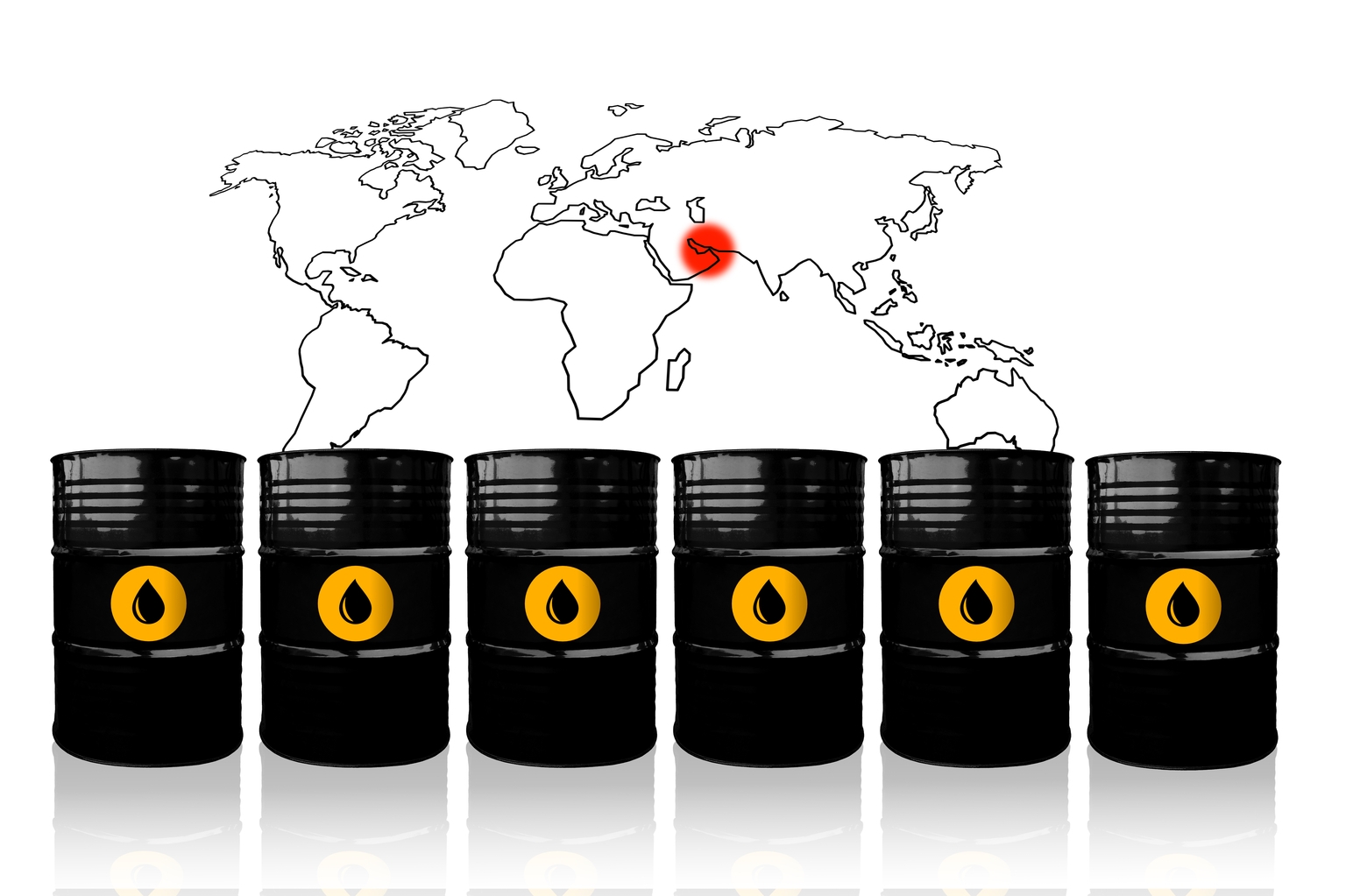
That was driven by soaring inflation, as the impact of the Ukraine war triggered sharp spikes in energy and broader cost-of-living costs. Now the Iran conflict has already pushed up oil prices and may cause longer-term rises to the cost of living over the coming months, raising questions about whether there could be another substantial state pension increase next April.
Not the base case today
Jinesh Vohra, CEO of mortgage cashback app Sprive, shared his views on this. He said: “If inflation were to re-accelerate materially by the September 2026 reading, that would feed directly into next year’s uprating calculation. But a 10.1 per cent style increase is not the base case today.”
He examined the latest data and what this could mean for the months ahead. The expert said: “The latest official CPI reading was 3.0 per cent in February, and before the latest escalation, the Bank of England expected inflation to fall to 2.1 per cent in the second quarter.
“So a much bigger pension rise next year is possible only if this shock proves severe enough to push inflation far above where it was expected to go.” He also pointed to the more immediate financial effects people are likely to feel.
Immediate higher costs
Mr Vohra said: “The more immediate impact of high inflation on households in the UK is the cost of living, and higher mortgage repayments. Rates have already moved past five per cent, and some deals are over six per cent, meaning thousands extra per year for homeowners.”
Neel Thakrar, CEO of cashback app Tuck, also suggested a significant state pension hike could be on the cards next year. He said: “If we do see a meaningful inflation spike through energy costs, pension increases would follow.
“The 10.1 per cent year was genuinely unusual, but it wasn’t impossible, and the conditions that created it aren’t entirely off the table. Whether the Government would honour it in full is another question – there was enormous political pressure in 2023, and that conversation would resurface quickly if we hit anything close to those numbers again.”
How long could the impact of the Iran war affect the cost of living?
When asked whether the Middle East conflict could have a lasting impact on people’s finances, Mr Vohra said: “Even if the military side de-escalates, mortgage rates, energy markets, and lender pricing do not instantly reset. JPMorgan has said oil could move above $150 if disruption persists, while the IMF and IEA warn even a relatively swift resolution would leave inflation elevated and growth weaker.
“My base view is that the consumer impact could easily last well beyond the headlines. Homeowners may face elevated mortgage payments for multiple years, and higher bills will continue to pressure household budgets.”
Mr Thakrar said that economic shocks of this nature work through the system “slowly”. He said: “The secondary effects – energy infrastructure adjustments, supply chain rerouting, inflationary pressure – can linger for two or three years.
“The households that cope best tend to be the ones who build small, consistent habits rather than waiting for one big fix. We see that reflected in our user data – the people who’ve saved the most through tuck. aren’t doing anything dramatic, they’ve just made it part of their routine.”
Tuck. allows you to earn cashback on purchases at a host of major brands and supermarkets. The Sprive app similarly offers cashback on shopping at many big name brands, although this is used towards paying off your mortgage.


