






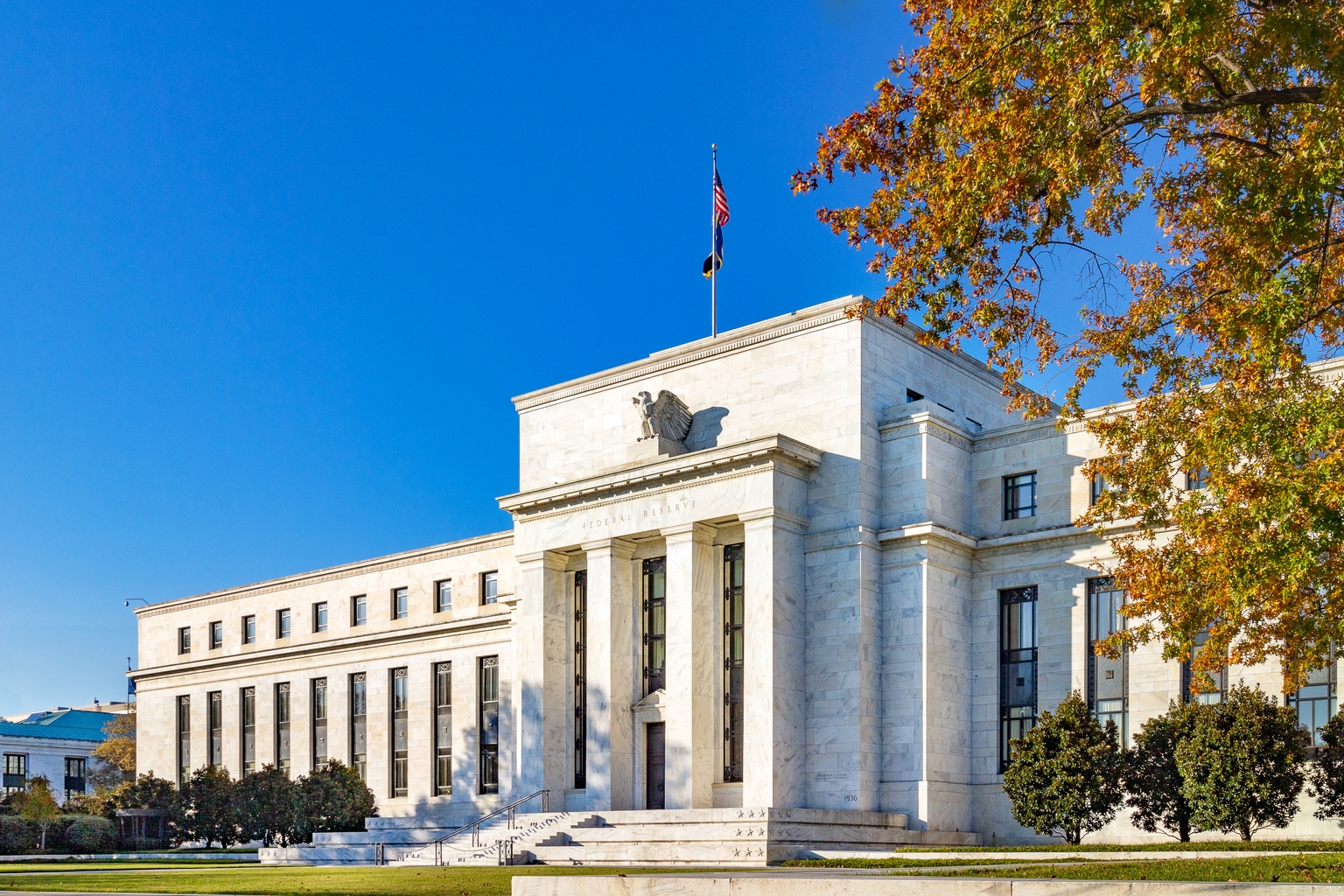







Higher inflation on the back of the Middle East fuelled energy crisis has paved the way for a Bank of England rate rise by the summer
Millions of mortgage borrowers face the risk of three interest rate hikes this year in the face a Middle East energy shock.
The Bank of England’s nine-member monetary policy committee voted unanimously to hold its base rate at 3.75%, when before the war erupted a cut was seen as nailed on.
And it warned a prolonged energy shock could trigger an inflationary spike that may pave the way for interest rate increases.
Financial markets are pricing in the possibility of a rate rise, to 4%, by June, with the risk of three increases overall this year, which would take the Bank’s base rate to 4.5%.
The MPC now estimates inflation will jump to as much as 3.5% by July to September, from a previous prediction of 2% and almost double the Bank’s target.
Bank governor Andrew Bailey warned it “must respond” with rate rises if there were a lasting energy crisis.
Mr Bailey told LBC’s Andrew Marr the “longer” the war in the Middle East continues the “larger” the effects on the UK economy. He added that interest rate cuts are “not on the horizon” adding he believes, “the hold today was the right thing. It was a unanimous decision.”
Borrowers are already feeling the impact from a jump in new mortgage costs.
Industry experts Moneyfacts says the average two-year fixed home loan has risen from 4.83% at the start of March to 5.32% now. Average five-year fix rates have leapt from 4.95% to 5.37% over the same period – the highest since August 2024.
Rachel Springall, finance expert at Moneyfactscompare.co.uk, explained: “The unrest in the Middle East has led to rising swap rates, which has inflated mortgage rates and caused deals to be pulled from sale, some temporarily.”
David Hollingworth, associate director at broker L&C Mortgages, said: “Increases to fixed rates are very likely to continue for now and borrowers should brace themselves for a bumpy ride. Lenders are wrestling with volatile market rates and very significant spikes in volume, as borrowers scramble to secure rates before they disappear.
“We’ve seen very significant levels of product repricing and a deal that is there today isn’t guaranteed to be there tomorrow. Borrowers will have to move quickly to secure rates which will protect against any further hikes. If the situation improves and rates do ease then there will still be a chance to review before a new deal completes.
“The Bank of England has stated that the outlook for interest rates could go either way. If the conflict is brought to a swift conclusion the pressure may be more limited but the longer the disruption continues, the more likely it is that the debate will focus on a need to raise interest rates.”
It came households face a double whammy “Trumpflation” threat from hikes in energy bills too as the Middle East war escalates.
Experts warned the conflict was “spiralling out of control” as Iran launched a new round of drone strikes across the Gulf.
European wholesale gas prices rocketed 35% after a fresh series of tit-for-tat attacks on energy facilities in the region.
Tehran struck neighbouring Qatar’s Ras Laffan plant – the world’s largest liquefied natural gas export hub – in retaliation for Israel’s attacks on its South Pars gas field. US President Donald Trump responded by threatening to “massively blow up” Iran’s major gas field if the regime carried out further such attacks.
The resulting surge in wholesale gas prices, coupled with a leap in oil to $119 a barrel, risks driving-up bills for millions of UK households.
Estimates for the scale of the rise in energy bills vary, depending on how long the crisis continues. Think tank the Resolution Foundation reckons households could face a £500 surge, while energy giant EDF says bills will be up to £300 higher for at least the next year.
Most households’ bills will actually fall next month thanks to a 7% drop in Ofgem’s price cap. The fear is what happens in July, when the caps is next reviewed, prompting calls for the government to limit any hike for those most in need.
Lib Dem leader Ed Davey said: “The government is sleepwalking into an energy bill disaster this July”.
Simon Francis, coordinator of the End Fuel Poverty Coalition, said: “Households will face a ‘Trump Tax’ on their energy bills as a result of this war and the case for government action to support households is becoming impossible to ignore.”
The latest attacks triggered a near £900billion rout on global financial markets yesterday, with more than £50billion wiped off the value of UK listed companies on London’s FTSE 100.
PM Keir Starmer condemned the Iranian strikes on Qatari gas facilities after holding an emergency Cobra meeting on the deteriorating situation in the region.
It is understood top ministers at the Downing Street meeting discussed the domestic impact of the war, including planning contingency measures. Mr Starmer posted on X: “I condemn in the strongest terms the overnight Iranian strike on a Qatari gas facility. We are working towards a swift resolution to the situation in the Middle East, in the best interests of the British people – because there is no question that ending the war is the quickest way to reduce the cost of living.”
Chris Beauchamp, chief market Analyst at IG, said: “Renewed attacks on energy infrastructure and shipping in the Middle East show that the conflict continues to spiral out of control.”


