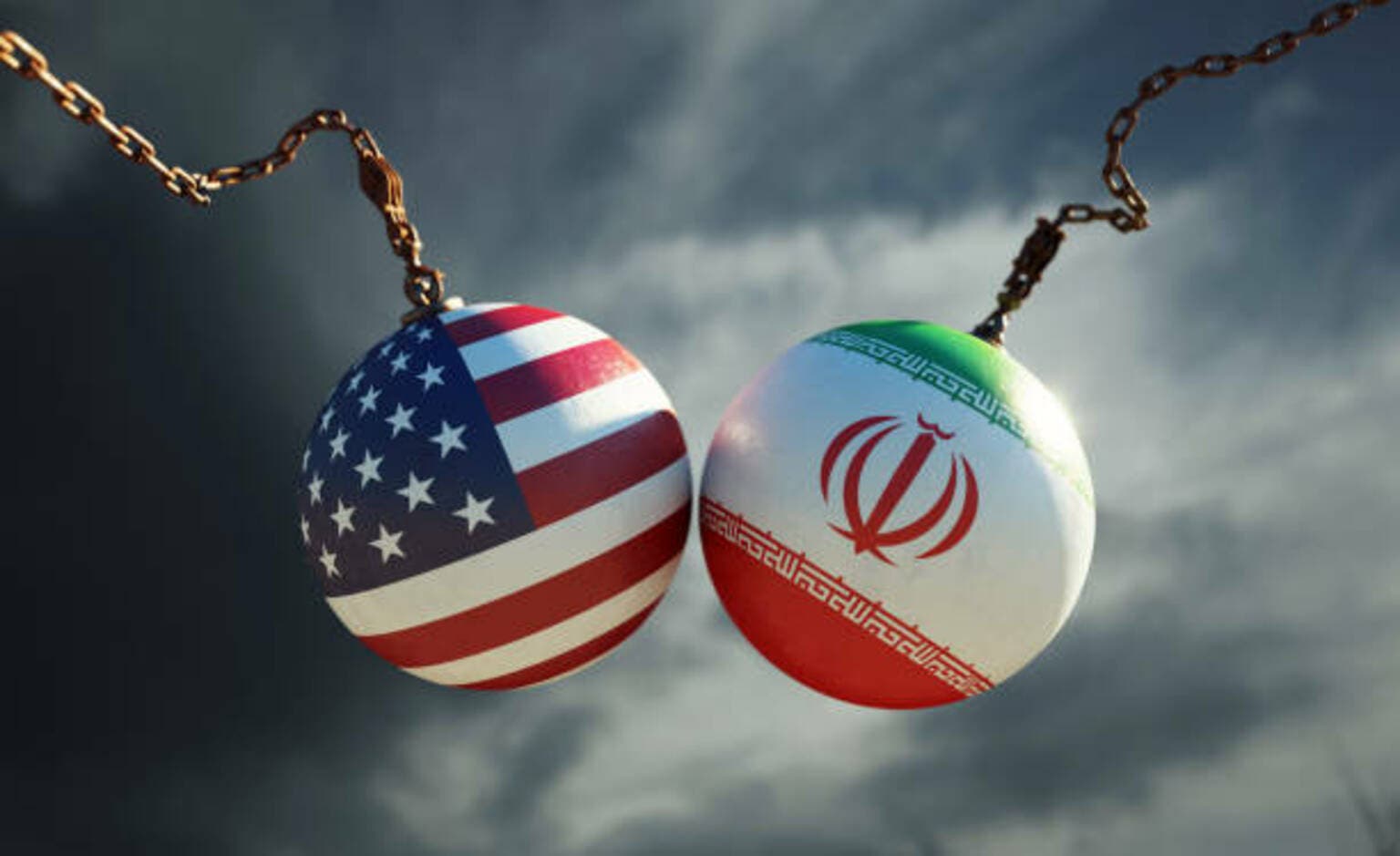
In the wake of the war ceasefire, Keir Starmer has spoken to Donald Trump and the two politicians talked about the best way to get shipping moving through the Strait of Hormuz
Keir Starmer has spoken to Donald Trump on the phone about the Strait of Hormuz plan, it has emerged.
The politicians discussed the need for a practical plan to get shipping moving again as quickly as possible through the Strait of Hormuz in the wake of the ceasefire in the Middle East, a Downing Street spokesperson said.
But the call came hours after Mr Starmer called out the US President’s “language” and condemned Israel for mass strikes on Lebanon. The Prime Minister said the continued bombardment by Tel Aviv was “wrong” as cracks began to emerge in the two-week pause in Mr’s bombing campaign.
The Downing Street spokesperson added: “The Prime Minister spoke to President Trump from Qatar this evening. The Prime Minister set out his discussions with Gulf leaders and military planners in the region on the need to restore freedom of navigation in the Strait of Hormuz, as well as the UK’s efforts to convene partners to agree a viable plan.
“They agreed that now there is a ceasefire in place and agreement to open the Strait, we are at the next stage of finding a resolution. The leaders discussed the need for a practical plan to get shipping moving again as quickly as possible. They agreed to speak again soon.”
READ MORE: Iran fires missiles at Israel minutes after Donald Trump’s war ceasefireREAD MORE: Donald Trump says God would approve of the US war in Iran as he doubles down on threat
Speaking earlier today, Mr Starmer had blasted Mr Trump’s expletive-laden tirade against Tehran and his calls for an end to Iranian civilisation. He told ITV’s Talking Politics podcast: “Let me be really clear about this – they are not words I would use, ever use, because I come at this with our British values and principles.”
The fragile US–Iran ceasefire indeed appears to be unraveling as Israeli airstrikes intensify in Beirut and Iran continues to assert control over the Strait of Hormuz, with prospects for a lasting truce still unclear.
Both Tehran and Washington are projecting strength and claiming gains, while preparing for negotiations on a permanent agreement expected to begin soon in Islamabad. U.S. Vice President JD Vance is slated to head the American delegation.
Wednesday marked the deadliest day in Lebanon since the conflict began, with Israeli strikes killing more than 300 people. A key point of contention remains whether the ceasefire applies to the Lebanese militant group Hezbollah. Iran has warned it will deliver “strong responses” if attacks on its ally persist.
Talks between Israel and Lebanon are anticipated next week in Washington, according to a source familiar with the discussions. Israeli Prime Minister Benjamin Netanyahu said he has approved direct negotiations, though the Lebanese government has yet to respond publicly. Netanyahu also emphasised that no ceasefire is in place in Lebanon and that Israeli operations against Hezbollah will continue.