











A consumer expert spoke about which basic items could surge in price
Families could find their weekly grocery bills soaring as prices surge in the wake of the Iran conflict. A consumer expert has warned which everyday staples could soon cost more on supermarket shelves.
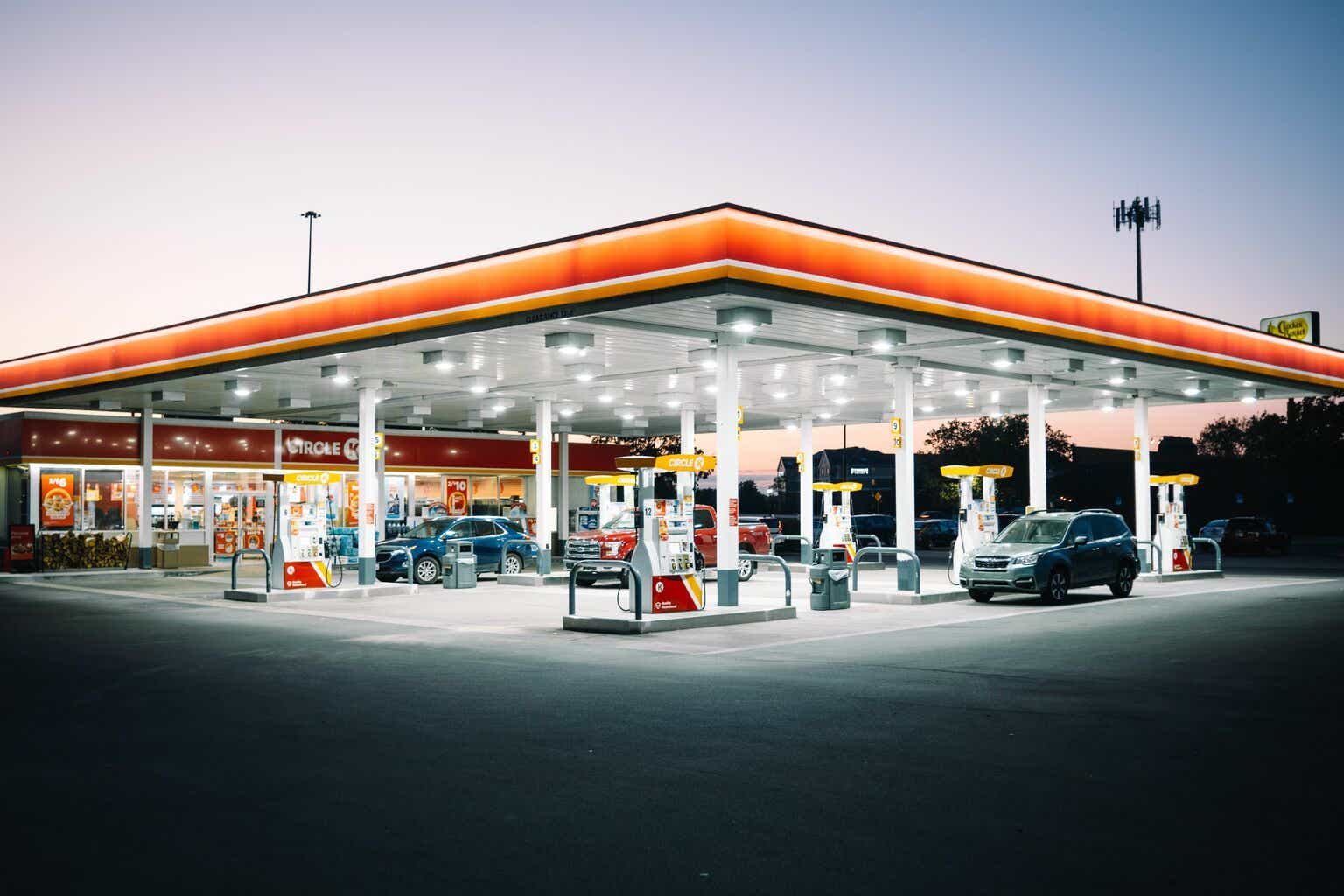
The international crisis has triggered an immediate jump in oil prices, hitting consumers hard at the petrol pump and for heating oil. Experts are now warning that further price hikes could follow throughout the remainder of the year. Sebrina McCullough, director of external relations at free budgeting advice group Money Wellness, delivered a stark warning. She said: “Rising energy prices risk triggering a second wave of the cost of living crisis, just as many households were starting to regain control of their finances.
“We’re already seeing the impact in real terms, with some customers who rely on oil heating telling us their bills have doubled, making them completely unaffordable and, in some cases, leaving people going without.” The consumer advocacy group has found their customers’ disposable income has dropped by £79 on average between 2023 and 2025.
Pushing up everyday costs
She continued: “Looking ahead, households are likely to face a costly second half of the year. Petrol prices are already elevated and could rise further if global oil markets remain unstable.
“And even if they don’t spike significantly, they’re expected to stay higher for longer, continuing to push up everyday costs.” This means consumers may see another increase in their costs from July onwards.
Ms McCullough warned that grocery bills are poised for a significant jump. She explained: “Food prices are likely to increase by around 5 to 9 percent if current pressures continue.
“Staple items like bread, dairy and meat are often hit hardest, meaning families could see noticeable rises in the cost of a basic weekly shop.” She said the Money Wellness team will likely see an uptick in households requiring food bank referrals as the year draws to a close.
READ MORE: Dad wants ‘Temu Range Rover’ recalled having broken down after just two weeksREAD MORE: Gastroenterologist says rule of ‘three’ can add years to your life
Very little buffer
The consumer champion highlighted: “Of course, when energy costs rise, it doesn’t stop at your gas and electricity bill; it feeds through into food, fuel and other essentials, meaning households will feel the squeeze across their entire budget at once. This is particularly concerning when around a quarter of UK adults have less than £100 in savings, leaving very little buffer to absorb further increases.
“Even modest rises can quickly tip households into arrears or reliance on credit. We often see a delay between costs rising and people seeking help, but getting support early can make a real difference.”
She encouraged those struggling with living expenses to seek help. Ms McCullough stressed: “No one should feel they have to go without essentials. Help is available, and acting early can prevent financial problems from escalating.”


