




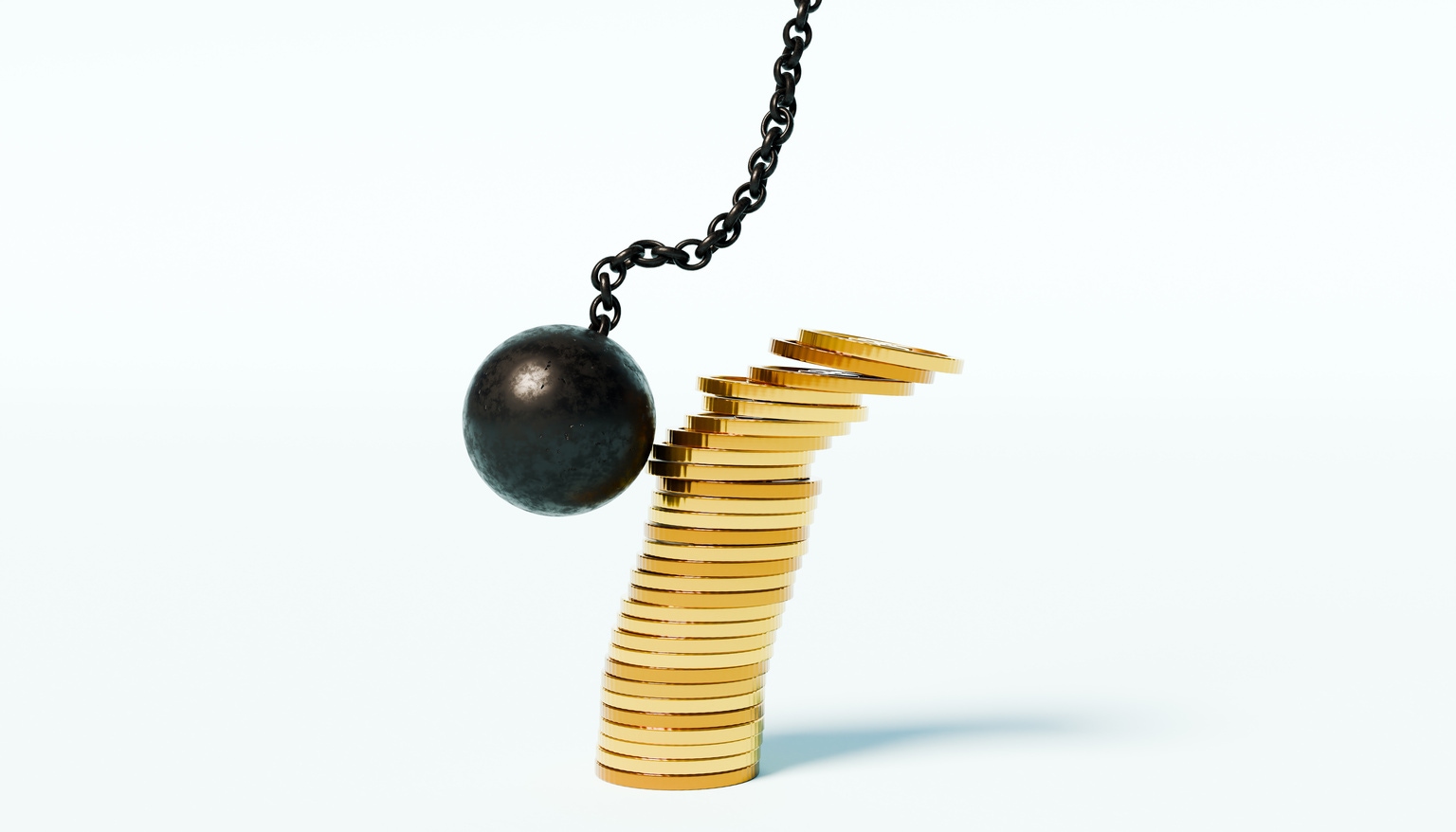







The ceasefire announced between the US and Iran may have averted an even worse crisis – for now – but an emboldened Tehran now knows it hold the joker in the pack
So, Donald Trump stepped back from the brink of unleashing “all hell” on Iran with just an hour and a half to spare.
America’s deluded dealermaker-in-chief possibly considered his doom-laden threat to wipe out a “whole civilisation” a grim negotiating tactic worth employing to force Tehran to capitulate.
Yet just what has the President achieved after five weeks of war which has brought so much death and destruction and wreaked economic havoc? A two-week ceasefire with no certainty of long-term peace.
Iran’s regime – albeit under a different management – remains in place, still has its nuclear programme, and is emboldened after withstanding everything the world’s most powerful military has thrown at it.
Those now in charge are also in no doubt about one other crucial thing: their ability to use the Strait of Hormuz to hold the world hostage.
By choking off oil and liquid gas shipments through the narrow waterway, they hold the joker in the pack.
Just what will be the price to pay for Iran removing tankers from its cross hairs? While ships from what it considers unfriendly nations have been blocked, others have been let through.
Only at cost, through what has become known in the shipping world as the “Tehran Toll Booth”. Analysts have estimated Iran could generate billions annually from charging vessel to use the strait.
Even Trump, in his Truth Social post, declared there was “Big money will be made” – though he probably wasn’t referring to refilling the Iranian regime’s coffers in this way.
UK households – among the many victims of the Middle East conflict triggered “Trumpflation” – will be hoping this ceasefire holds and leads to easing of the pressure on their already stretched finances.
Petrol – and especially diesel – was where most people saw the impact of the crisis most, leading to to warning about “price gouging”, with precious little lag between the cost of oil surging and motorists feeling pain at the pump.
Pressure will rightly be on forecourts to pass on the sharp fall in oil prices – down below $95 a barrel – in the wake of the ceasefire deal. Some experts say prices should – by rights – start to fall in the coming days.
However, oil remains well above the less than $70 a barrel it was before the conflict began, so don’t expect a return to those pump prices back then anytime soon.
And, unless wholesale energy costs slump, household gas and electricity prices are very likely to rise in July.
That’s because Ofgem – which sets a price cap for tens of millions of households – uses a window for deciding suppliers’ costs, so some of the surge in what they pay to buy supplies is already baked in.
Industry experts Cornwall Insight last week predicted the price cap would jump by £288 to £1,929 a year in the summer. Expect that forecast to fall sharply if the ceasefire holds.
While no-one wants bills to rise in July, it is Ofgem’s price cap in October that matters far more, coming ahead of winter.
Should the ceasefire be sustained, and be replaced with a permanent deal, then the immediate crisis may have eased.
But the damage wrought to oil facilities in the Gulf will take years to repair, with the knock-on impact for prices.
And the economic fall-out from the crisis – whether through higher-for-longer inflation and interest rates – will continue to be felt in the pockets of many people.


